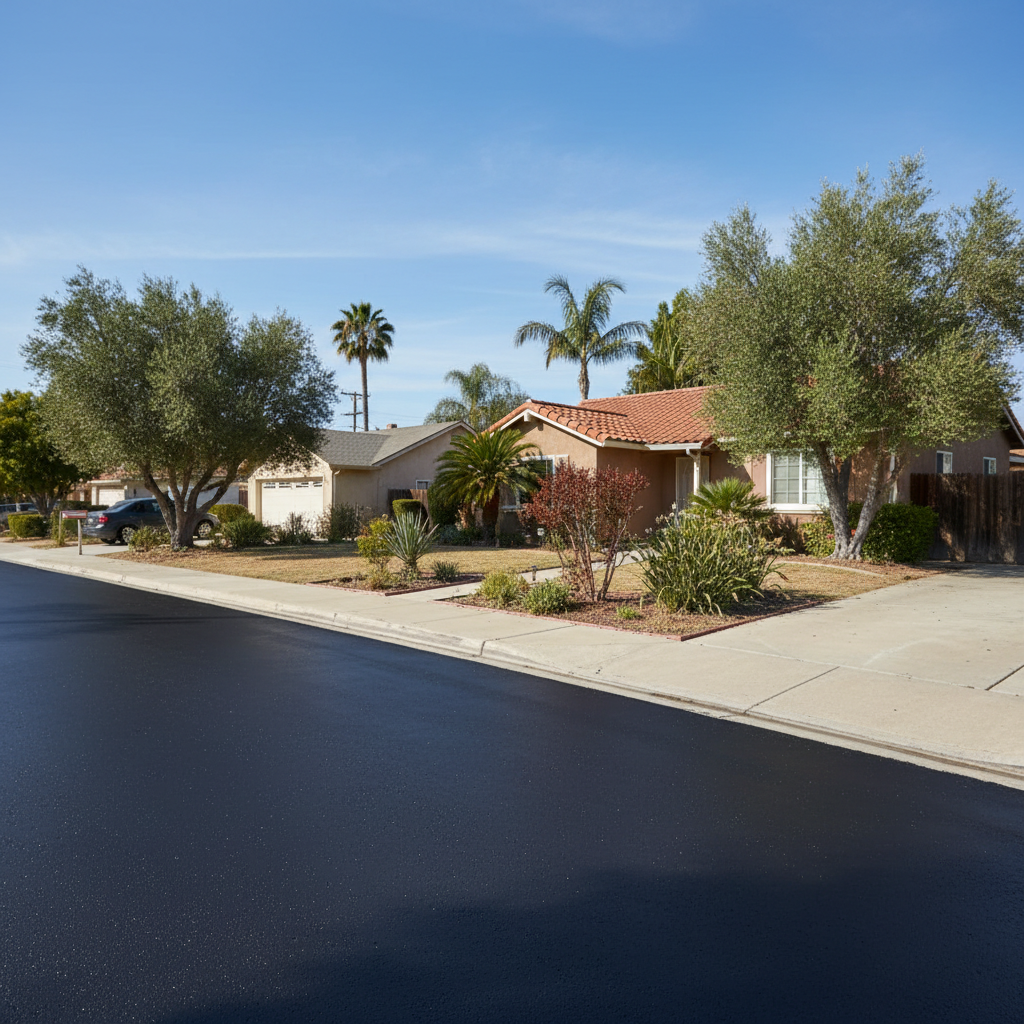
Alright, so you've put money into sealcoating your driveway or parking lot right here in Pomona. That was a smart move, wasn't it? It's kind of like putting sunscreen on your asphalt, really protecting it from our intense California sun and all the other wear and tear. But just like sunscreen, it won't last forever without a little TLC. You want to squeeze every bit of life out of that fresh, black surface, I bet. So, let's chat about how to keep it looking its best.
Making Your Sealcoating Last Longer
The biggest problem for asphalt in Southern California isn't usually the freezing and thawing you see back East; it's the sun. Our year-round UV rays just bake the life right out of asphalt, making it brittle and prone to cracking. Sealcoating is your first defense against that. To truly make it last, you've got to be on top of things.
- Watch Out for Those First Few Days: This part is super important. For at least 24 to 48 hours, just stay off that newly sealed surface. No cars, no heavy foot traffic. The sealcoat needs time to cure properly. If you drive on it too soon, you're asking for tire marks, scuffs, and you'll damage the finish before it's even had a chance to set. Remember, cooler, cloudy days mean it'll take even longer to dry, so always play it safe and wait a bit more.
- Go Easy on Sharp Turns and Heavy Stuff: Once it's cured, try not to turn your car wheels sharply while you're stopped on the asphalt, especially when it's hot out. That can twist and mark the surface, believe me. Also, try to avoid parking really heavy vehicles or trailers in the exact same spot for long stretches. Our clay-rich soils in Pomona can sometimes shift, and too much concentrated weight can really stress the asphalt and its sealcoat.
- Clean Up Spills ASAP: Oil, gas, and other chemicals are absolutely no friends to sealcoat. They can break down the material pretty fast. If you get a spill, blot it up quickly with something absorbent, like kitty litter. Then, clean the spot with water and a mild detergent. Whatever you do, don't use harsh chemicals or bleach; they'll just strip the sealcoat right off.
Regular Upkeep: Keep It Clean, Keep It Strong
Think of this as your everyday routine. A little effort now saves you from much bigger headaches later.
- Sweep Regularly: Dust, leaves, dirt, and other debris can trap moisture against the sealcoat, wearing it down over time. Grab a stiff broom or a leaf blower and clear your driveway weekly, especially after a windy day or a storm. This stops stuff from building up and keeps water from pooling.
- Rinse Occasionally: A good rinse with just water every now and then helps keep things clean, too.
- Deal with Cracks Early: This is a big one. Even small cracks let water get underneath your asphalt, and that's where the real damage starts. Our dry climate means cracks can form from UV exposure, but once those winter rains hit, water gets in and expands, making those cracks way worse. Fill small cracks with a quality crack filler as soon as you spot them. Honestly, it's one of the most cost-effective things you can do.
Signs of Trouble
Your sealcoating will definitely tell you when it's struggling. Keep an eye out for these signals:
- Fading or Graying: Sealcoat is supposed to be black, right? If your asphalt is starting to look dull, faded, or gray, it means that protective layer is wearing thin. That lets the sun's UV rays get right through to the asphalt binder. That's a clear sign it's losing its protective punch.
- Surface Cracks and Crumbling: Small, hairline cracks are one thing, but if you start seeing a lot of new cracks, especially ones that connect like alligator skin, that's a serious red flag. Crumbling or loose pieces of asphalt also mean the sealcoat isn't doing its job anymore, and the asphalt underneath is falling apart.
- Peeling, Flaking, or Disbonding: This means the sealcoat isn't properly stuck to the asphalt. It could be because of a bad application, poor surface prep, or just that it's reached the end of its life. If you see this, you're losing that crucial protective barrier.
- Potholes or Depressions: Now, sealcoating won't prevent potholes if the base itself is bad, but its failure can certainly speed up their formation. If you spot new potholes or significant dips, water has likely gotten underneath, and you've got bigger issues than just the sealcoat.
When to Call the Pros
Sometimes, a DIY fix just isn't enough, or you simply need the experts to handle it. Here's when to give us a ring at Pomona Precision Asphalt:
- It's Been 2-3 Years (or More): Most sealcoating in our California climate typically needs reapplying every 2 to 3 years, sometimes up to 5 depending on how much traffic it gets and how much sun it sees. If you can't even remember the last time it was done, it's probably time.
- Widespread Cracking or Alligator Cracking: If you've got cracks wider than a quarter-inch, or that tell-tale alligator pattern, you need more than just a quick crack fill. This usually means water has messed with the base, and you'll need professional repair before putting down any new sealcoat.
- Soft Spots or Drainage Issues: If parts of your asphalt feel soft or spongy, or you have standing water after it rains, that points to a problem with the underlying base or drainage. Sealcoating won't fix this; you really need a professional assessment to prevent bigger, more expensive damage.
- Significant Fading or Discoloration: While a little fading is normal, if your entire driveway looks noticeably lighter or blotchy, it's time for a fresh coat. We'll make sure the surface is prepped right and apply a fresh layer that sticks properly and protects for years.
- Before Winter Rains: Getting any cracks sealed up before our rainy season hits is absolutely critical. Water is asphalt's biggest enemy, and sealing those entry points before the wet weather prevents a lot of headaches and costly repairs down the line.
Taking care of your sealcoated asphalt isn't rocket science, but it does require some consistency. A little attention now saves you a ton of money and hassle in the long run. Keep an eye on your pavement, tackle small issues quickly, and know when it's time to bring in the experts. Your asphalt will definitely thank you for it.