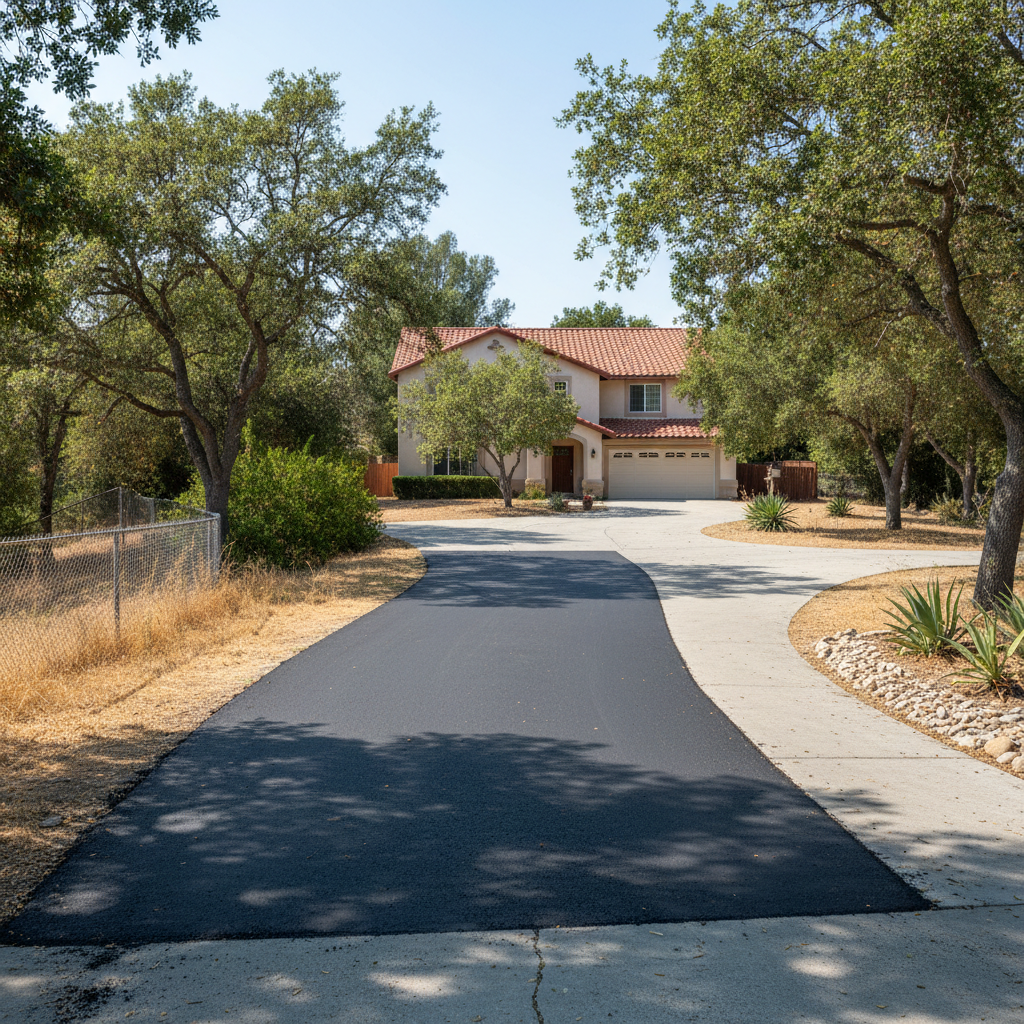
Life's busy, right? The last thing anyone wants to stress about is their driveway falling apart. But here in Pomona, with those scorching, dry summers and then the really concentrated winter rains, your asphalt really takes a beating. I see it happen all the time: someone ignores a small crack, then the first big downpour hits, and suddenly, boom—you've got a pothole. That's precisely why getting your asphalt patching done at the right time is so incredibly important for homeowners.
When's the Best Time to Patch Your Asphalt?
Honestly, spring, summer, and fall are your prime windows for asphalt patching. Winter? Not so much, unless it's a real emergency. Let me tell you why:
- Spring: The Great Awakening. After the winter chill and all the rain we've had, spring is when you'll really notice any damage that's popped up. It's a fantastic time to tackle those cracks and potholes that formed from the freeze-thaw cycle, even though we don't get hard freezes here like they do back east. The moderate temperatures are just perfect for materials to bond and cure properly.
- Summer: Hot, Hot, Hot (and good for asphalt). Our Pomona summers get seriously hot, with August often hitting average highs of 92-93°F. That heat, believe it or not, is actually a good thing for asphalt work. The material gets more pliable, which really helps with crack sealing, pothole repairs, and resurfacing. Plus, those longer, dry days mean materials cure faster and more effectively. Just try to avoid the absolute hottest part of the midday sun if you can, or simply work in the cooler mornings and evenings.
- Fall: Prep for the Wet Season. Before our rainy season kicks in (that's usually November to March), fall is your last, best chance to get those patches done. Mild temperatures are still around, similar to spring, which is great for sealants and fillers. Sealing cracks before the rain starts is one of the most cost-effective things you can do, truly. It stops water from getting underneath and messing with your base, which, let's be honest, is a common problem with our clay soils around here.
Weather Conditions That Affect the Work
You can't just slap down asphalt anytime, can you? The weather plays a huge role in how well your patch holds up:
- Temperature: This is a big one. Asphalt needs temperatures warm enough to properly cure and bond. If it's too cold, the materials won't stick right, and you'll just end up with a weak, short-lived repair. For sealcoating, you generally want surface temperatures above 40°F, and for repairs, ideal temperatures are often between 50°F and 90°F.
- Moisture: Rain is the enemy of fresh asphalt. If it rains before your patching materials have a chance to dry or cure, it can wash them away or just stop them from bonding. That's why you need a few days of clear, dry weather for any patching job.
- Humidity: High humidity can slow down the drying process, especially for sealcoating. While it's not as critical as temperature or rain, lower humidity is always better for a strong, even cure.
Protecting Your Investment Year-Round
Patching is certainly part of it, but year-round care keeps your asphalt looking good and lasting longer. Think of it like taking care of anything else you own, really.
- Clean it Up: Regularly sweep away leaves, dirt, and debris. Organic matter can hold moisture right against the asphalt, leading to degradation. Also, clean up any oil or gas spills quickly, especially in the summer heat, as they can soften and damage the surface.
- Address Cracks Promptly: Don't wait for a small crack to become a crater. Water is the biggest culprit in asphalt breakdown. When water gets into cracks and the ground underneath, it weakens the base. Our local clay soils are especially susceptible to movement when they get wet, which just makes things worse.
- Sealcoat Every Few Years: This is like sunscreen for your driveway. Sealcoating protects against UV rays, water, and chemicals, extending the life of your asphalt. Spring or fall are generally the best times to do it, when temperatures are moderate.
- Watch for Heavy Loads: Try not to park heavy vehicles or equipment in the exact same spot for extended periods, especially during hot weather. Asphalt can soften and indent under constant pressure when it's hot.
Look, your asphalt driveway is a big investment. Taking a little time to understand how our Pomona climate affects it, and then scheduling your patching and maintenance at the right times, will save you a lot of headaches and money down the road. We at Pomona Precision Asphalt are always here if you've got questions or need a hand.