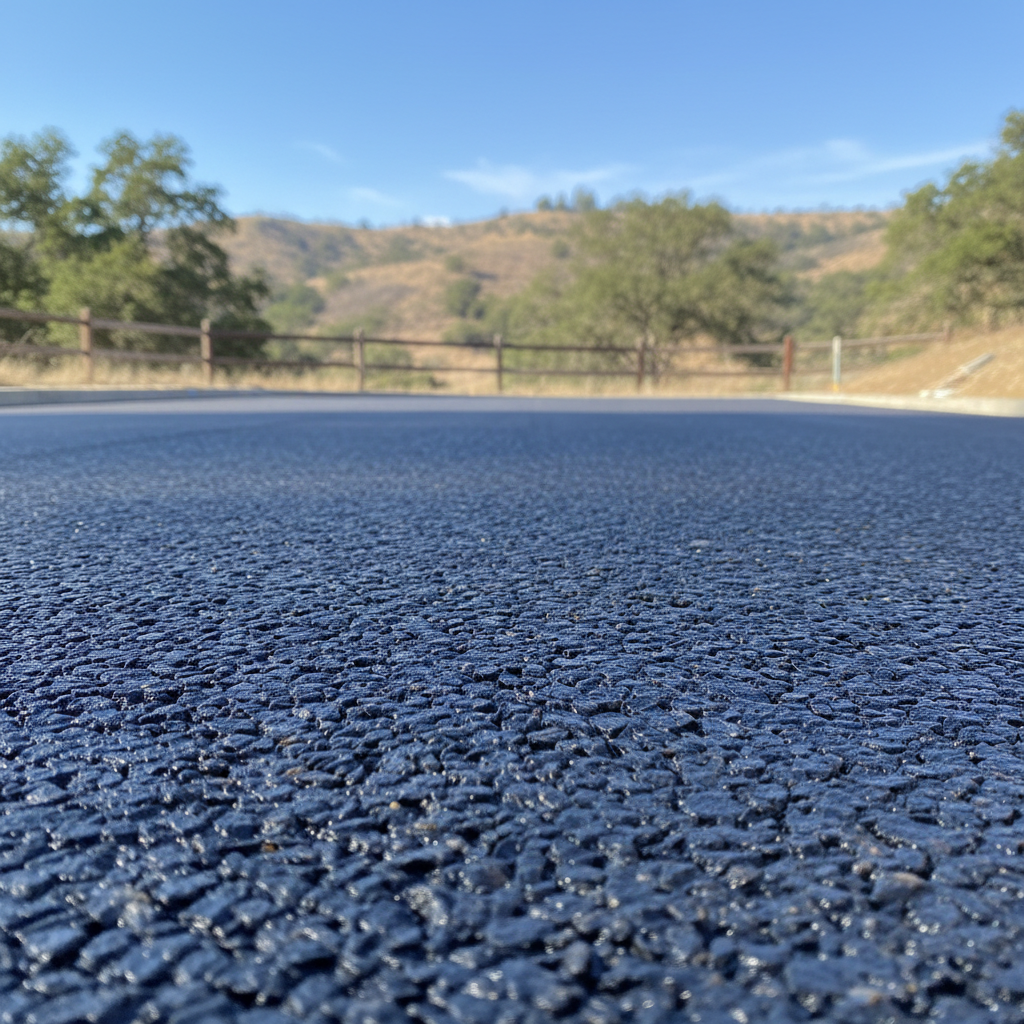
Got a big property in Pomona? Maybe you’re dealing with a long private road, a huge RV pad, or a multi-car parking area that really needs some asphalt work. When you're talking about projects bigger than just a standard two-car driveway, you're often looking at what we in the business call 'commercial-grade' asphalt work. It's a completely different animal than just patching up a small crack, believe me.
You might be thinking, “Can I just do this myself?” For the small stuff, absolutely, you can tackle a pothole repair kit or even sealcoat your driveway. But when it comes to laying down a new, large asphalt surface or doing major repairs on one? That's where the DIY stops and the professional work really begins. Let's break down what you, as a homeowner, actually need to know.
Before the Shovels Hit the Ground
First off, you've got to plan. This isn't just about how big you want your paved area to be, either. Think about drainage. Pomona gets its fair share of rain, especially during those winter storms. If your asphalt isn't properly graded, you'll end up with standing water, and that's a fast track to cracking and potholes. You need to consider your land's slope and how water will run off. If you're on a hillside, like some of the properties up near the foothills, this becomes even more critical.
Next, what's underneath? The soil here in Pomona can vary a lot, from sandy loam to heavier clay. The sub-base is the foundation of your asphalt. If it's not properly prepared and compacted, your asphalt won't last. A professional contractor will do a soil assessment and make sure the sub-base is stable enough to support the asphalt and whatever weight you'll put on it. This isn't something you can just eyeball. Trying to save a buck here will cost you ten times over down the road when your asphalt starts failing, trust me.
Also, permits. Depending on the size and scope of your project, you might need permits from the City of Pomona. Don't skip this step! You don't want to get halfway through a job only to have a city inspector shut you down. A good contractor will help you figure this out, but it’s ultimately your responsibility as the homeowner.
During the Project: What's Happening?
Once you've got a pro like us, Pomona Precision Asphalt, on the job, here's what you'll see. The first step, after any demo, is usually grading and preparing that sub-base we talked about. This involves excavating, adding aggregate (like crushed rock), and then compacting it like crazy. We're talking heavy machinery here, not your backyard plate compactor.
Then comes the asphalt itself. For larger projects, we're bringing in hot mix asphalt. This isn't something you buy in bags at the hardware store, by the way. It's a precise blend of aggregates and asphalt cement, heated to over 300 degrees Fahrenheit. It needs to be transported quickly, laid down evenly, and then compacted immediately with heavy rollers. The asphalt's temperature is critical for proper compaction and density. If it cools too much before it's compacted, it won't bind properly and will be weak.
You'll see a crew working like a well-oiled machine. Everyone has a specific job, from the paver operator to the roller operators, to the guys raking and smoothing. It's a fast-paced, coordinated effort. This is definitely not a DIY job. You need specialized equipment, skilled operators, and a whole lot of experience to get it right.
After the Asphalt is Down: Keeping It Strong
So, the new asphalt is in, and it looks beautiful. Now what? The first thing is curing. You'll need to stay off it for a few days, sometimes longer depending on the weather and the mix. Your contractor will give you specific instructions. Don't drive on it too soon, or you'll leave tire marks and compromise the surface.
Regular maintenance is key to making your investment last. Here's what you can realistically do yourself:
- Keep it clean: Sweep off dirt, leaves, and debris. Don't let oil or gas spills sit there; clean them up quickly.
- Watch for cracks: Small cracks can be sealed with a pourable crack filler you can get at most home improvement stores. Catching them early prevents water from getting underneath and causing bigger problems.
- Sealcoating (maybe): For very large areas, sealcoating is usually best left to pros because of the equipment and volume of material needed. But if you're ambitious and have a smaller section, you can buy commercial-grade sealcoat and apply it yourself. Just make sure you follow the instructions to a T.
When should you call a pro again? If you see alligator cracking (a network of interconnected cracks), significant potholes, or large areas of crumbling asphalt, it's time to call us. These are signs of deeper issues that a simple DIY patch won't fix. We can assess the damage and recommend the right repair, whether it's patching, an overlay, or even a full reconstruction.
Investing in a large asphalt project for your home is a big deal. Doing it right the first time means it'll last you for decades. Don't cut corners on the planning or the execution, and don't be afraid to call in the experts when the job is bigger than your average weekend project, okay?