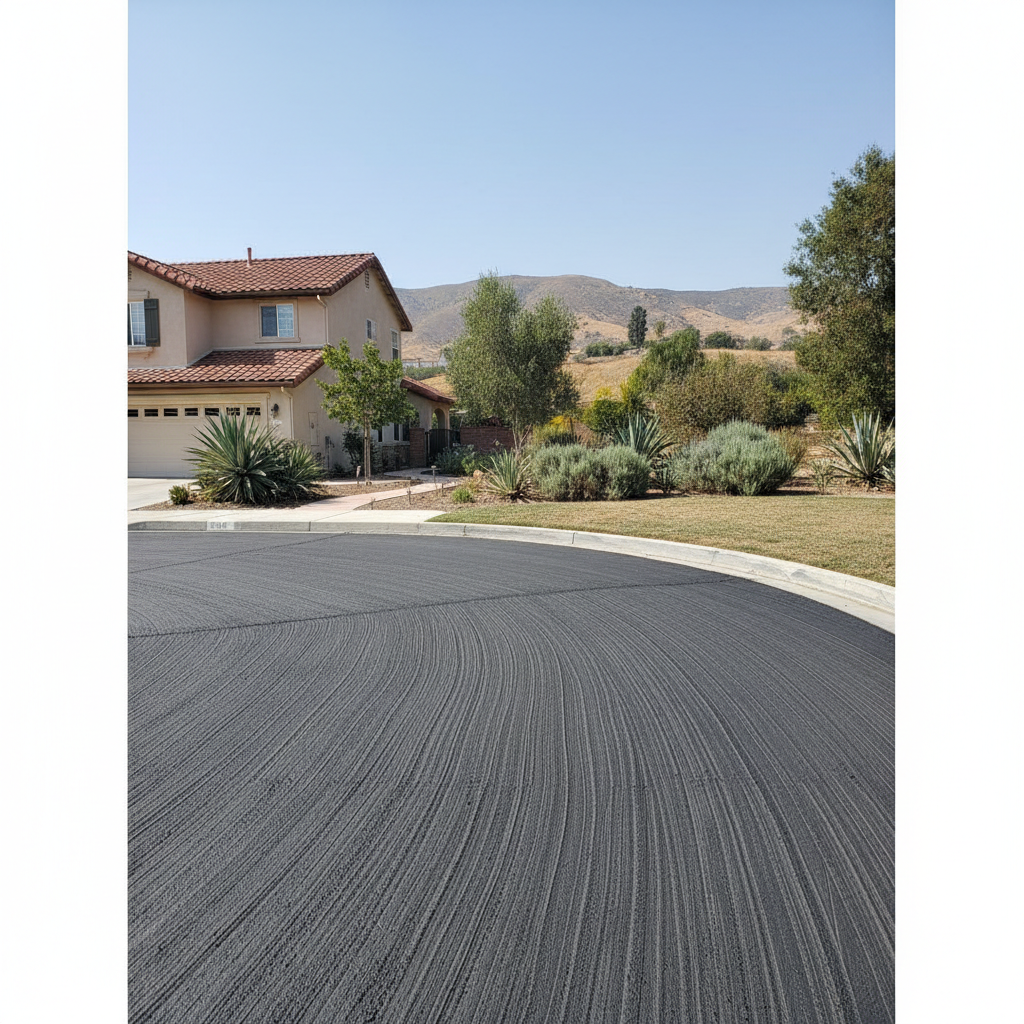
So, you've got a milled asphalt surface. Maybe it's your parking lot, a private road, or even a big driveway. Milling is a smart way to fix up old, worn-out asphalt without tearing everything out. It saves money and gives you a solid base for new asphalt or even just a fresh sealcoat. But just because it's tough doesn't mean you can forget about it. You really need to look after it, especially here in Pomona with our hot summers and those occasional heavy rains.
Make Your Milled Asphalt Last Longer
The best thing you can do to extend the life of milled asphalt is protect it from the weather and heavy use. Think of it like a good pair of work boots – you clean 'em, you condition 'em, and they last longer. For milled asphalt, that usually means a good sealcoat.
- Sealcoating: This is your first line of defense. After milling, you've got a fresh surface, but it's a bit porous. A sealcoat acts like sunscreen and a raincoat all rolled into one. It protects against UV rays that dry out and crack the asphalt, and it seals out water, which is asphalt's biggest enemy. Here in Pomona, that intense summer sun can really do a number on unprotected asphalt, so sealcoating within a few weeks or months of milling is crucial.
- Good Drainage: Water sitting on your asphalt is a real problem. Make sure your drainage systems – gutters, culverts, catch basins – are clear and working right. If water pools, it'll seep into the asphalt, especially in milled areas, and cause it to break down much faster. We see this a lot in older industrial areas near the 71 freeway where drainage might not have been a top priority decades ago, you know?
- Manage the Weight: Try not to consistently park or drive extremely heavy vehicles in the exact same spots, especially if you know those areas are weaker. Spread the load around if you can.
Regular Maintenance: What You Should Be Doing
This isn't rocket science, but it does take a little attention. A few simple things can save you a lot of headaches and money down the road.
- Keep it Clean: Sweep or blow off debris regularly. Leaves, dirt, and gravel can hold moisture against the surface and speed up wear. Plus, sharp objects can cause damage.
- Clean Up Spills Quickly: Oil, gas, and other chemicals are terrible for asphalt. They break down the binder that holds the aggregate together. If you have a spill, clean it up with an absorbent material as soon as possible. Don't let it just sit there and soak in.
- Inspect Often: Walk your property once a month, or at least every quarter. Look for small cracks, potholes, or areas where the surface seems to be deteriorating. Catching these problems early makes repairs much simpler and cheaper.
- Reapply Sealcoat: Depending on traffic and weather, a good sealcoat usually needs reapplying every 2-3 years. It's an investment that pays for itself by preventing more serious damage.
Warning Signs: When to Take Notice
Your asphalt will tell you when it's hurting. You just have to know what to look for.
- Cracks: Any kind of cracking is a red flag. Small hairline cracks can turn into big ones fast if water gets in there and freezes (not often here, but it can happen) or just expands and contracts with our temperature swings. Alligator cracking (lots of small, interconnected cracks) means the base is failing, and that's a bigger issue.
- Potholes: These are obvious. They start small, but traffic and water will make them grow rapidly. Don't ignore them.
- Fading or Discoloration: If your asphalt is looking gray instead of black, that's a sign the sealcoat has worn off and the sun is starting to bake the asphalt binder.
- Pooling Water: If you see puddles forming after a rain, especially in areas that used to drain fine, you might have a settlement issue or a drainage problem that needs fixing.
- Loose Aggregate: If you're seeing a lot of loose stones on the surface, it means the binder is failing, and the asphalt is breaking apart.
When to Call a Professional
Look, I'm a contractor, so I'm going to tell you to call a pro when you need one. But seriously, some things are beyond a DIY fix.
- Extensive Cracking or Alligatoring: If you've got a lot of cracks or that alligator pattern, you're looking at more than just a patch job. You might need crack filling, patching, or even more milling and an overlay.
- Large Potholes: A small pothole you can probably patch yourself if you're handy, but big ones need proper repair to ensure they don't come back. We've seen too many DIY patches fail quickly, haven't we?
- Drainage Issues: If water is consistently pooling and you can't figure out why, or if it's impacting your foundation or other structures, you need someone who understands grading and water flow.
- Base Failure: If the asphalt is sinking or showing significant dips, that's usually a sign of a problem with the sub-base, and that requires professional assessment and repair.
- You're Not Sure: Honestly, if you're looking at your asphalt and just have a bad feeling, or you're not sure what the problem is, just give us a call. It's better to get an expert opinion early than to let a small problem become a huge, expensive one. We're Pomona Precision Asphalt, and we're always happy to take a look and give you an honest assessment.
Taking care of your milled asphalt isn't just about looks; it's about protecting your investment and ensuring safety. A little proactive maintenance goes a long way in keeping your surfaces strong and durable for years to come.