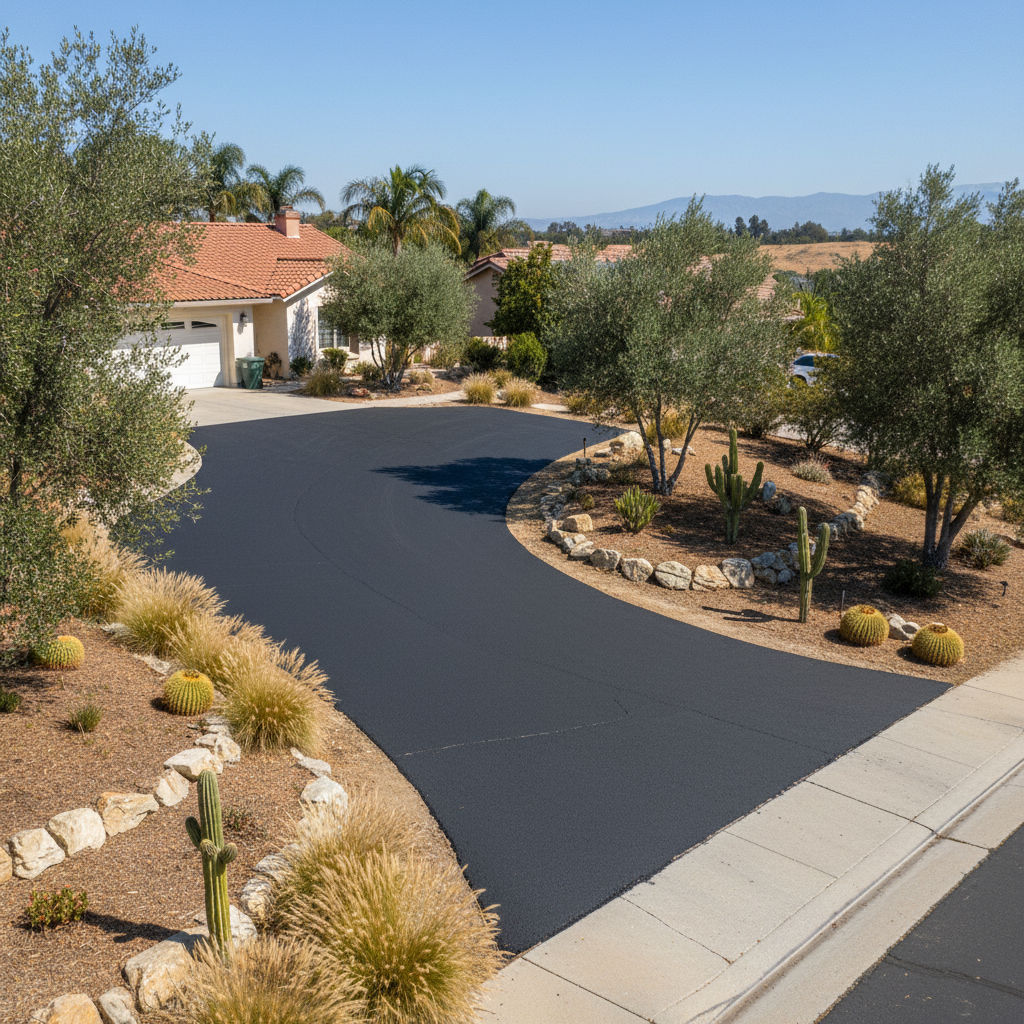
So, your asphalt driveway's seen better days, huh? Maybe you've got some ugly cracks, a few potholes, or just some spots crumbling away. It happens, especially with our hot summers and the occasional heavy rains we get here in Pomona. Patching it up isn't just about making it look better, though; it's about preventing bigger, more expensive problems down the road. But don't just jump into it. A little planning goes a long way. Here's how I'd tell my neighbors to tackle an asphalt patching project.
Your Patching Project Timeline: What to Expect
When you're thinking about getting some patching done, the first thing people usually ask me is, "How long is this gonna take?" And that's a fair question, really. The actual work itself, for most residential patching jobs, isn't usually a multi-day affair. We're talking hours, not days, for the crew to be on site.
- Initial Contact & Estimate: This is step one. You call us, we come out, take a look at the damage, measure things up, and give you a quote. This can happen pretty quickly, often within a few days of your call.
- Scheduling the Work: Once you approve the estimate, we'll get you on the schedule. Depending on how busy we are and the time of year, this could be anywhere from a week to a few weeks out. We try to be flexible, but good weather is key for asphalt work.
- The Work Day: Most patching jobs are done in a single day. The crew shows up, preps the area, does the patching, and cleans up. It's usually a pretty efficient process, honestly.
- Cure Time: This is important. You can't just drive on it right away. We'll tell you specifically, but generally, you'll need to stay off the patched area for at least 24-48 hours, sometimes longer depending on the weather and the type of patch. If you drive on it too soon, you'll mess up all that hard work.
What Happens During the Patching Process?
You might be wondering what exactly we'll be doing out there. It's not just slapping some asphalt down, you know. There's a method to it, and it's designed to make the patch last.
First, we'll assess the damage. Is it a pothole? A crack? A section that's completely failed? The approach changes based on what we're fixing. For potholes or larger failed areas, we typically do what's called a "cut and patch" or "remove and replace."
Here's the rundown:
- Area Preparation: We'll mark out the area to be patched. For potholes, we'll often cut out a neat, square or rectangular section around the damaged area. This gives us clean edges to work with. We remove all the loose debris, dirt, and old asphalt.
- Base Inspection (and Repair if Needed): This is crucial. If the base layer underneath the asphalt is compromised – maybe it's soft or has poor drainage – the patch just won't last. We'll inspect it, and if necessary, compact the existing base or add new aggregate to create a solid foundation.
- Tack Coat Application: We'll apply a sticky asphalt emulsion, which we call a tack coat, to the edges of the old asphalt and the prepared base. This acts like glue, helping the new asphalt bond properly to the existing surface.
- New Asphalt Placement: Fresh, hot asphalt mix is brought in and placed into the prepared area. We make sure to get the right thickness.
- Compaction: This is where the patch gets its strength. We use compactors, often a vibratory roller or a plate compactor, to press the new asphalt down firmly. This removes air voids and makes the patch dense and durable. We make sure it's level with the surrounding pavement, maybe even a hair higher to allow for a little settlement.
- Clean Up: We clean up the work area, removing any excess asphalt or debris. We don't leave a mess for you.
How to Prepare Your Property for Patching
You don't have to do much, but a few simple things can make the job smoother for everyone.
- Clear the Area: Move your cars, bikes, trash cans, planters, anything that's on or near the area we'll be working on. We need clear access, after all.
- Trim Overhanging Branches: If you have trees with low-hanging branches over your driveway, especially in areas like the hills of Phillips Ranch, it's a good idea to trim them back a bit. This gives our equipment and crew room to maneuver.
- Ensure Access to Water: Sometimes we need a little water for cleanup or to cool down equipment. It's helpful if you can point us to an outdoor spigot.
- Keep Kids & Pets Away: Hot asphalt is, well, hot. And our equipment can be dangerous. For everyone's safety, please keep children and pets clear of the work zone during the patching process.
Questions to Ask Before You Sign That Contract
Before you commit to anyone, you want to be sure you're hiring a reputable contractor. Don't be shy about asking questions. Any good company, like Pomona Precision Asphalt, will be happy to answer them.
- "What's your experience with residential patching?" You want someone who knows their stuff, especially with the specific challenges our local soil conditions can present.
- "What kind of asphalt mix will you be using?" There are different types. For patching, you want a durable, appropriate mix that's designed to hold up.
- "How do you prepare the area before laying new asphalt?" This goes back to what I said about base repair and tack coats. You want to hear them talk about those steps. If they just say, "We put asphalt in the hole," that's a red flag.
- "What's your warranty on the patching work?" A good contractor stands behind their work. Get it in writing.
- "Are you licensed and insured?" This is a non-negotiable. Don't hire anyone who can't provide proof of both. For your protection and ours.
- "What's the estimated cure time?" Make sure you understand when you can use your driveway again.
- "Can you provide references?" A reputable company will have satisfied customers.
Getting your driveway patched isn't a huge undertaking, but doing it right makes all the difference. Ask the tough questions, understand the process, and you'll end up with a repair that lasts. It's worth the effort to protect your investment.