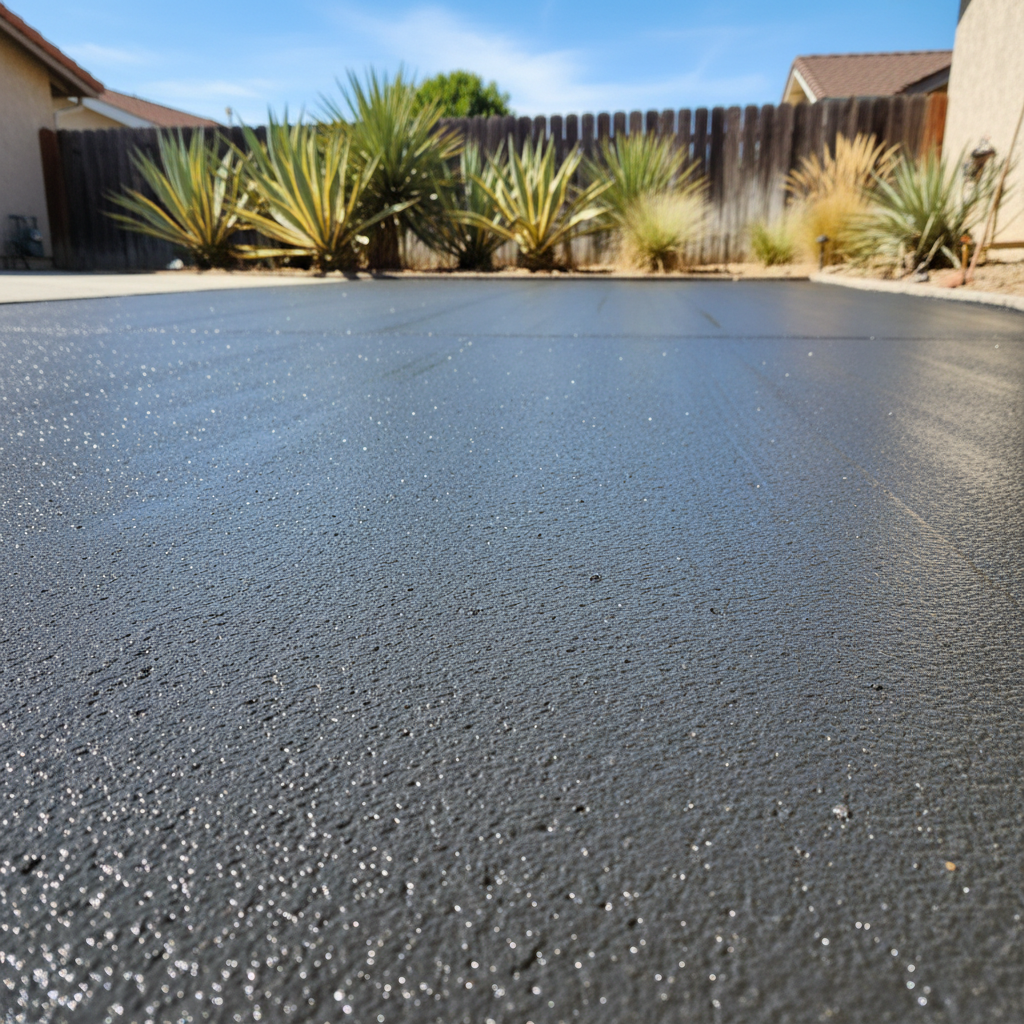
Alright, let's talk about slurry coating. You've got an asphalt driveway, maybe it's looking a little faded, got some tiny cracks, or just needs a refresh. Slurry coating, sometimes called sealcoating, is often the first thing people think of. It's a protective layer that extends your asphalt's life and makes it look sharp again. But can you do it yourself? And when should you absolutely call in the cavalry?
Before You Even Think About Slurry Coating
First off, let's manage expectations. Slurry coating isn't a miracle cure. It's a preventative and cosmetic treatment. If your driveway has major cracks, potholes, or significant structural damage, you're past the point of a simple slurry coat. You'll need repairs first – crack filling, patching, maybe even an overlay. Trying to slurry coat over big problems is like putting lipstick on a pig; it just won't hold up, and you'll be wasting your time and money.
You also need to check the weather. This isn't a job for a cloudy, humid day, and definitely not if rain's in the forecast. You need at least two days of clear, warm weather, ideally above 50°F, for the material to cure properly. Here in Pomona, with our hot summers, you might even need to consider doing it in the early morning or late evening to avoid the scorching midday sun, which can make the slurry dry too fast and unevenly.
Finally, clean that driveway like your life depends on it. Seriously. Power wash it, sweep it, get rid of all dirt, oil, grease, and loose debris. Any contaminants left behind will prevent the slurry from bonding correctly, leading to peeling and a short lifespan for your hard work.
The DIY Approach: What You're Getting Into
So, you've decided to go for it yourself. It's doable for smaller, well-maintained driveways, especially if you're handy and patient. You'll need to head to a home improvement store and pick up the right materials. Don't cheap out on the slurry mix; quality matters. You'll also need a squeegee, brushes for edges, and safety gear like gloves and old clothes.
- Prep is everything: I can't stress this enough. Clean, clean, clean. Fill any minor cracks (1/4 inch or less) with an asphalt crack filler a few days before.
- Edging: Tape off any concrete, brick, or landscaping you don't want coated. This stuff is messy, and you don't want it on your nice pavers.
- Application: You'll typically pour a manageable amount of slurry onto the driveway and spread it evenly with your squeegee. Work in small sections, moving backward so you don't step on your fresh coat. Aim for thin, even layers. Two thin coats are usually better than one thick one.
- Drying time: This is critical. Stay off it for at least 24-48 hours, maybe even longer depending on humidity and temperature. Don't park cars on it, don't walk on it with dirty shoes. Give it time to fully cure.
It's hard work, no doubt about it. Your back will probably ache, and you'll likely have some slurry on places you didn't intend. But for a small, simple driveway, it can save you some cash.
When to Call a Professional (Like Us)
Now, let's talk about when it's just smarter to pick up the phone. If your driveway is large, has a steep slope, or has a lot of curves and intricate edges, DIY becomes a real headache. Spreading slurry evenly on a big, sloped surface without leaving streaks or puddles is harder than it looks. Plus, you're dealing with a lot of material, and mistakes can be costly.
Here's when Pomona Precision Asphalt really shines:
- Extensive damage: If you've got more than just hairline cracks, we can assess the underlying issues and perform proper repairs before applying the slurry. We've seen plenty of driveways in areas like Phillips Ranch where the soil movement just wreaks havoc, and a simple DIY patch won't cut it.
- Large or complex driveways: We've got the right equipment – commercial-grade squeegees, spray applicators, and experienced crews – to get a smooth, even finish quickly and efficiently.
- Time and effort: Let's be honest, your weekend is valuable. This isn't a quick job. Hiring us means you don't have to buy materials, rent equipment, or spend two days sweating under the Pomona sun.
- Guaranteed results: A professional job comes with expertise and, usually, a warranty. We know the right mix ratios, application techniques, and curing times to ensure a durable, long-lasting finish.
After the Slurry Coat is Down
Whether you DIY or hire a pro, the aftercare is pretty similar. Keep vehicles off the driveway for at least 48 hours, and ideally, a full 72 hours for heavy vehicles. Avoid turning your steering wheel while the car is stationary on the fresh coat, as this can scuff or tear the new surface. Don't drag anything heavy across it. Give it time to fully harden.
A good slurry coat should last you 2-3 years, sometimes more, depending on traffic, weather, and how well the initial prep was done. It's an investment in your home's curb appeal and the longevity of your asphalt. So, weigh your options, consider the work involved, and make the best choice for your Pomona home.